

You’ll learn that happiness isn’t nonstop fireworks, it’s a quiet baseline plus occasional flow bursts you can chase, like deep focus on small energizing tasks. Rewrite your story from victim to hero, celebrate tiny wins, and build micro-habits—gratitude, short walks, 20-minute flow sessions—to nudge your baseline up. Track moods and moments to spot what actually works, tweak when stuck, and you’ll find practical, low-risk ways to keep improving if you want to go further.
Key Takeaways
- Happy people balance short bursts of intense “flow” with a steady baseline of contentment shaped by purpose and genetics.
- They accept joy’s transience, savor moments without clinging, and avoid chasing constant euphoria.
- They reshape setbacks into growth-focused narratives, celebrating daily small wins to build resilience.
- They pursue tiny, energizing purposes and regular micro-habits that reliably trigger flow and connection.
- They track moods and experiments, using data to adjust habits and reinforce meaningful, gratitude-focused routines.
Define Happiness: Flow vs. Baseline Contentment

While you might chase the high of a perfect weekend or a killer deadline, happiness actually comes in two flavors: the fizz of flow and the steady hum of baseline contentment. You know the flow—those rare, absorbed moments when a task grabs you, time vanishes, and joy bubbles up because you’re challenged and focused; they’re short, intense, and addictively rewarding. Baseline contentment is quieter, it’s the ongoing sense of meaning and peace that underpins your days, shaped by purpose and even a bit of your genetics; it doesn’t sparkle like flow, but it steadies you. Together they boost your overall happiness, and by chasing more flow while nurturing purpose, you raise that gentle baseline over time.
Why Joyful Moments Feel Fleeting (And Why That’s Okay)
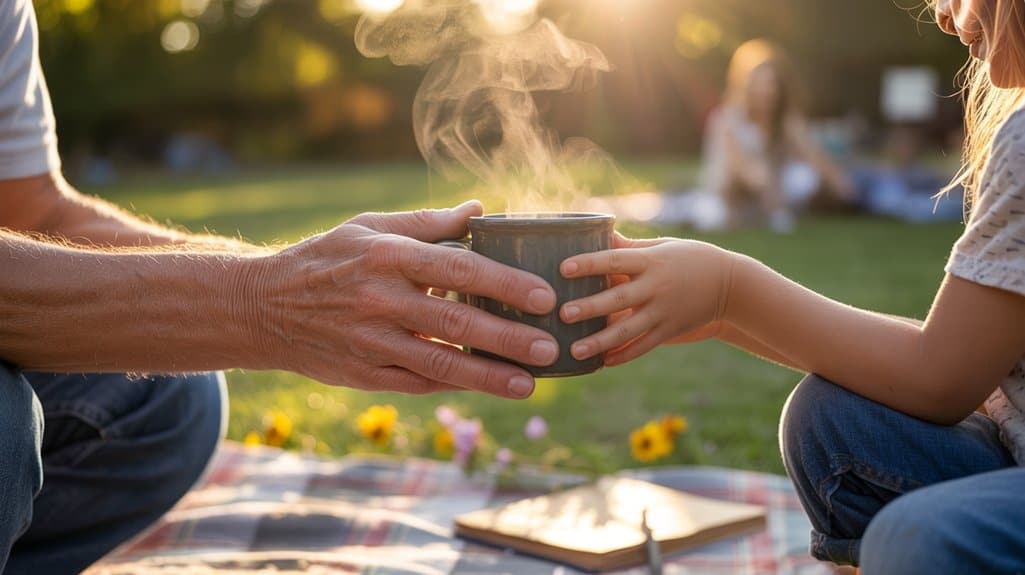
Because joyful moments come from specific events or hits of flow, they naturally feel like fireworks—brilliant, loud, and over before you can fully process them. You notice this because activities that light you up trigger bursts of dopamine, and your brain, bless its wiring, winds down once the novelty fades. People often expect constant euphoria, but that’s neither realistic nor desirable; those spikes make everyday calm feel more, well, peaceful by comparison. When you accept that joy is transient, you can savor it without clinging, collect more small sparks over time, and gently raise your baseline contentment. So, enjoy the fireworks, trade the guilt for gratitude, and remember belonging grows from many tiny, shared moments, not nonstop pyrotechnics.
Reframe Your Story: Hero or Victim?

If fireworks are the bright bits of joy, your personal story is the map you use when the sky goes dark, and the way you tell it matters—are you the battered bystander or the person who patched their own coat and kept walking? You get to choose language that joins you to others, the same language happy people use to describe setbacks as chapters, not full stops. When you rework personal narratives toward wins, learning, and small grit, resilience becomes less like a trophy and more like your worn, reliable jacket. Challenge the old victim script, notice moments you showed up, and tell that version more often, because the story you live inside shapes how much belonging and contentment you actually feel.
Identify Small Energizing Purposes That Trigger Flow
Once you start looking, you’ll notice that big life purposes aren’t the only things that make you feel alive — tiny, repeatable tasks can light you up just as reliably. Look for “little-p purposes” in simple acts like tending a plant, drafting a paragraph, or teaching a neighbor a trick you know; these small moves spark curiosity, skill, and connection. Do them often, and you’ll stack flow experiences, those joyful moments where time disappears and you’re oddly proud of yourself. That accumulation nudges your baseline happiness upward, because regular meaning builds resilience and a sunnier personal story. Share these pursuits with people who get you, tweak them when they get stale, and watch your everyday well-being quietly improve, no grand gestures required.
Daily Rituals to Boost Happiness and Spark Flow
How do tiny habits turn an ordinary day into something a bit brighter? You can start with simple daily rituals that nudge you toward contentment: jot three grateful moments each morning, move for 20 minutes, breathe deeply for a few minutes, or spend time making something you love. Research shows these small acts stack, giving you steadier mood gains and more moments of flow, the kind that makes time disappear.
You’re not doing this alone, people around you matter, so schedule coffee, walks, or cooking sessions with friends to deepen belonging. Together, these practices boost endorphins, calm your nervous system, and invite creative absorption, so even mundane days feel fuller, kinder, and slightly more fun — like life handing you a tiny, welcome upgrade.
Small Habits That Raise Your Baseline Contentment
Because tiny habits pile up like quiet compound interest, you can nudge your baseline contentment without overhauling your life, and you don’t need willpower of a superhero to do it. You’ll join others who get it, People Know small, steady moves beat occasional fireworks, and you’ll feel more at home in your life. Try habits that fit your days, not someone else’s rules, and notice how the stories we tell about yourself soften.
Tiny habits stack like quiet compound interest — small, steady moves reshape your days and soften the stories you tell yourself.
- Practice daily gratitude — jot three small wins, it rewires attention toward blessings and builds belonging.
- Move twenty minutes — brisk walk or stretch, endorphins and dopamine do the rest.
- Do short mindfulness — meditate or journal, it steadies your baseline.
- Savor moments with friends — slow down, share, deepen ties.
How to Measure Progress: Track Moods, Moments, Momentum
You can start by tracking daily mood patterns, jotting a quick mood score each morning and evening to spot trends and triggers over time. Don’t forget to note flow frequency too — those times you’re so absorbed work or play flies by, they’re clues to what actually fuels your contentment. Use a simple app or a paper habit tracker, compare weeks, and celebrate small shifts so momentum becomes obvious, not mysterious.
Track Daily Mood Patterns
Ever wonder why some days feel like a breeze and others like wading through molasses? Tracking daily mood patterns helps you spot those invisible gears, and it’s less mystical than it sounds. Mood journaling benefits you by recording moments, rating moods, and building habits that actually stick, while boosting self awareness enhancement in practical ways.
- Use an app or paper log to note mood, activity, and time, so emotional triggers identification becomes obvious.
- Flag small wins and pleasant surprises, they nudge your happiness set point upward.
- Review weekly trends together with a friend or group, you’ll feel supported and learn faster.
- Adjust routines based on patterns, celebrate progress, and keep momentum gently rolling.
Measure Flow Frequency
How often do you slip into that delicious, get-lost-in-it state we call flow, and could you actually measure it without turning your life into spreadsheets? You can, and you’ll feel less alone doing it; start by noting flow triggers—those people, places, tasks that steal your attention and give you joy. Keep a simple daily journal, or use a mood-tracking app, to log moments and score them, then watch frequency tracking reveal patterns over weeks. Reflect on those entries to spot emotional patterns, and set small goals to increase time spent in flow-inducing activities. This gives you gentle momentum, a map of what matters, and a friendly nudge toward more days that feel, frankly, worth showing up for.
Troubleshooting: Stuck? What to Try Next
If you’re feeling stuck, try reframing your story so you spot moments where you were brave, not broken — it changes how you show up. Then run tiny experiments, like a five-minute gratitude jot or a weekend hobby trial, because small wins build momentum fast, and they won’t wreck your schedule. Finally, reconnect with purpose by asking what actually matters to you, or who lights you up, and let that nudge your next move.
Reframe Your Story
Because the story you tell about yourself shapes what you notice and what you try next, it’s worth learning to edit the script when it gets stuck on “victim” or “why me.” You can do this without pretending your problems never happened — instead, try spotting moments of grit, small wins, or times you surprised yourself, and weave those into the narrative so you start seeing yourself as someone who figures things out. Reframing isn’t fake optimism; it’s revising narratives to highlight strength, embracing resilience, and cultivating gratitude for tiny progress, which builds belonging and purpose.
- Notice one small win each day and name the skill it used.
- Reframe setbacks as data, not destiny.
- Tell your story aloud, then tweak the ending.
- Share revisions with someone who roots for you.
Try Tiny Experiments
You’ve just learned to reframe your story, which is great—now let’s play with that new script by running tiny experiments that actually test what works for you. Try small swaps: five minutes of mindful journaling each morning, a midweek walk with a neighbor, or a brief gratitude practices checklist before bed, and note how you feel. These mini-changes are low-risk, they build agency, and they let you discover what truly resonates, so you don’t gamble away your time on trends. Track outcomes, look for patterns, and tweak what doesn’t fit; you’re collecting data on your own happiness, like a scientist who prefers coffee to beakers. Over time, those tiny wins add up, and you belong to a life you’re shaping.
Reconnect With Purpose
Where do you even start when purpose feels like a heavy, vague thing you’re supposed to chase? Reconnecting with purpose begins with small, doable steps — tiny-p purposes that spark energy, building meaningful engagement into your day so joy indicators pop up more often. Check your stories; trade victim scripts for resilient, growth-focused hero stories, and notice when flow appears, because losing track of time is a pretty reliable sign you’re aligned.
- Try one micro-habit that reliably brings a smile, note it as a joy indicator.
- Block an hour for flow work, protect it like a meeting with your future self.
- Rewrite a limiting narrative into a growth-focused line, test the feel.
- Track moments of meaningful engagement, watch purpose alignment grow.
Conclusion
You’ve got tools now, so don’t wait for lightning to strike—build your own little storm. Pick tiny purposes that pull you into flow, keep daily rituals that nudge your baseline up, and reframe setbacks as plot twists instead of dead ends. Track moods to see what works, tweak habits when you’re stuck, and remember: contentment isn’t a finish line, it’s a garden you tend, one small, stubborn seed at a time.


