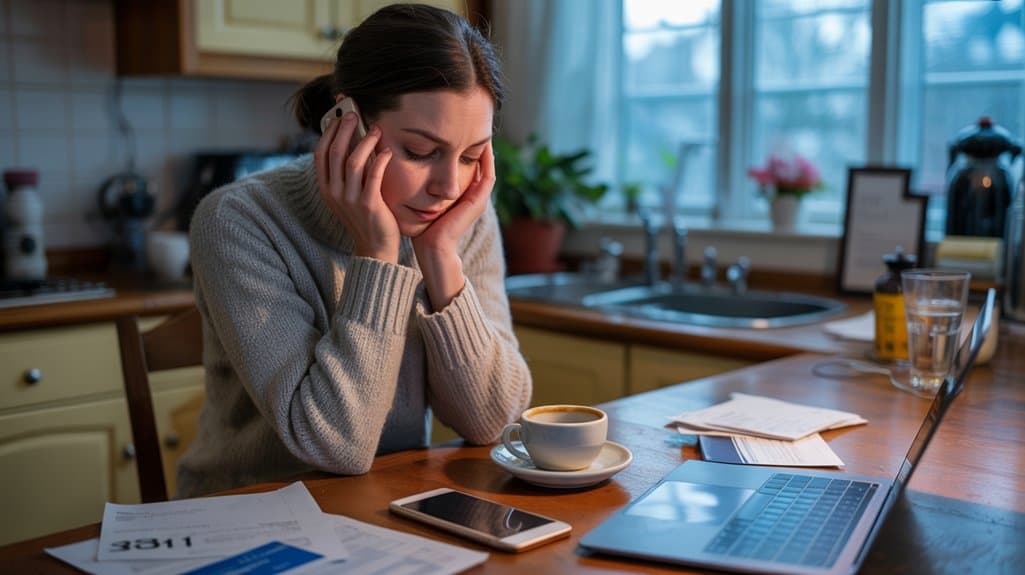
You’ve gotten used to that low, constant hum of worry, and it’s easy to call it “normal,” but it’s still worth fixing. Check basics first—sleep, food, meds, hydration and a quick walk can make a big difference—then watch for medical triggers like thyroid or vitamin gaps. Try simple breathing, short outdoor activity, and steady meals to lower the buzz, and consider early professional help if it persists, there’s more practical, bite-sized help ahead.
Key Takeaways
- Low-grade anxiety is a persistent background dread that impairs focus, mood, sleep, and daily functioning even if it feels “normal.”
- Check basic contributors: sleep quality, blood sugar, hydration, medications, and recent health changes like thyroid or vitamin deficiencies.
- Small daily habits—15–20 minutes of outdoor activity, regular meals, hydration, and brief deep-breathing—reduce symptoms significantly.
- Use simple self-checks (sleep log, blood sugar tracking, medication review) and short coping techniques to prevent escalation.
- Seek professional help if symptoms persist, worsen, or impair functioning; early intervention and guided therapy are effective.
Is This Normal? What Low-Grade Anxiety Actually Feels Like

Ever get that nagging background hum of worry and wonder whether everyone else’s life comes with the same low-volume static? You might call it low-grade anxiety, a persistent and excessive sense of dread that sneaks into daily life and pretends to be normal. It shows up as irritability, fatigue, trouble concentrating, even nights when sleep plays hard to get, and you tell yourself it’s just part of being busy. Because it often doesn’t meet formal criteria for mental health disorders, you’ll hear “you’re fine” more than “get help,” which leaves a lot of people feeling oddly solo. Still, early support matters, and practicing practical coping skills—tiny routines, grounding breaths, sharing with someone who gets it—can stop things from escalating. You don’t have to treat it like a badge of endurance; admitting it’s real is actually a way of belonging, not failing.
Quick Checks to Rule Out Basics (Sleep, Blood Sugar, Meds)

So you’ve named that low-level worry and didn’t freak out about it—nice job—and now it helps to check a few basic, fixable things before assuming it’s Something Serious. Start with sleep: are you getting regular hours and quality rest, or scrolling until 2 a.m.? Poor sleep can quietly crank up anxiety, so try consistent bedtimes and a simple wind-down.
Next, glance at blood sugar and recent meals—skipping or binging can make your nerves sing. Stable snacks and balanced meals do more than fill you up, they steady mood. Review your medications too, because many prescriptions list anxiety as a side effect; don’t stop them, just talk to your prescriber.
Also note hydration and physical activity: drink water through the day, and move for 15–20 minutes—walking or stretching will nudge your system toward calm. These checks are small, practical, and communal—things we all forget sometimes, together.
Common Everyday Causes and Hidden Medical Triggers
What’s actually behind that low-level buzz you’ve been carrying—daily life, your body, or both? You’re not alone if a stressful life is the usual suspect: work pressure, money worries, and relationship friction quietly pile up, leaving you on edge without a dramatic trigger. That constant background hum becomes part of the wallpaper, and everyone around you seems to act like it’s fine — except it isn’t.
But don’t shrug off your body, either; medical conditions like thyroid problems or heart issues can mimic anxiety, so getting checked makes sense, not drama. Nutritional deficiencies, especially B and D vitamins, can nudge mood down, and sleep disturbances amplify everything, turning small worries into persistent low-grade anxiety. Think of it as a team effort: lifestyle factors and hidden medical triggers often tag-team, so noticing the pattern, sharing it with others, and asking for help helps break the loop.
5 Evidence-Based Techniques to Reduce Low-Grade Anxiety Today
A few simple, evidence-backed tricks can quiet that low-grade hum without turning your life upside down, and you don’t need a meditation retreat to get started. Try 15–20 minutes of physical activity outdoors, you’ll get endorphins and a mood boost, and it genuinely lowers stress levels. Quick stretching loosens tense muscles, feels good, and takes less time than scrolling for a miracle cure.
Keep a water bottle handy so you stay hydrated, because even mild dehydration can crank up anxiety, and sipping regularly helps your brain work better. Use a Blood Sugar Body Scan to notice when you’re fueled, since stabilizing blood sugar cuts the spikes that make you jittery. When things pile up, practice deep breathing and other emotional release techniques, they’re simple, discreet, and surprisingly effective. You’re not alone in this, small habits add up and can make your everyday feel steadier.
When Low-Grade Anxiety Needs Professional Help : And What to Expect
If you’ve been carrying that low-level worry around like an annoying ringtone that won’t stop, it’s worth knowing when to hand it off to a pro. You might ignore low-grade anxiety because it’s “just part of life,” but persistent worry, irritability, or sleep trouble that won’t quit are signs to contemplate professional help. Early intervention matters, since untreated low-grade anxiety can escalate into bigger anxiety disorders, and getting support shows strength, not weakness.
When you reach out, expect a mental health evaluation that looks at symptoms, daily functioning, and any co-occurring depression, then a tailored plan—therapy in-person or online is common, sometimes paired with medication or other intervention if needed. You’ll probably start with weekly sessions, learn coping tools, and get reassessed over time, so it feels collaborative, not clinical. Seeking help joins you with others on the path to feeling steadier, and you don’t have to go it alone.
Daily Habits to Stop Anxiety From Becoming Your New Normal
Once you’ve taken the step to get professional help, the next win is making everyday choices that keep anxiety from sneaking back in and setting up camp. Start by shaping a steady daily routine, it gives your day predictable anchors and makes unexpected stress less dramatic. Add 15–20 minutes of physical activity outdoors when you can—walk, jog, or stretch—because those endorphins actually do the heavy lifting on mood.
Keep up hydration, sip water throughout the day, since fatigue and irritability love dehydration and make everything feel worse. Carve out small mindfulness moments, like two-minute breathing or a short meditation, to reset your nervous system before it spirals. Finally, don’t forget online interventions that fit your life; they give CBT-based tools on your schedule, and they’re a solid backup when real-world plans fall through. You’re not doing this alone, you’ve got a toolkit and a community moving with you.
Resources and Next Steps: Free Tools, Online Programs, and Local Care
One quick truth: you don’t have to reinvent your whole life to keep low-grade anxiety in check, you just need a few reliable tools and a plan for when things wobble. Start with free tools like SilverCloud, which give 24/7 CBT-based modules you can work through at your own pace, perfect for nights when sleep is playing hard to get. Pair that with online programs that offer structure and progress tracking, they keep you honest without feeling like boot camp.
Don’t forget local care—places like Marble Wellness in St. Louis offer in-person and virtual therapy, so you’ve got options whether you prefer face-to-face or couch-to-screen. Tap into community resources—NAMI groups and local support meetups—because other people who get it make a big difference. Finally, keep practicing self-care strategies like short mindfulness breaks and simple routines; they’re small, practical, and surprisingly effective at keeping anxiety from turning into the boss of your day.
Frequently Asked Questions
How to Feel Normal Again After Anxiety?
You’ll feel more like yourself by tackling anxiety with small, steady steps: move for 15–20 minutes daily, try deep breaths or short meditations, and keep a simple routine so days don’t wobble. Reach out early, because low-grade anxiety spreads if ignored, and use digital tools like SilverCloud for CBT-style support. It’s okay to ask for help, you’re not alone, and tiny habits add up to real relief.
What Does Low-Grade Anxiety Feel Like?
It feels like a phone vibrating in your pocket you can’t find—constant, low buzz, nagging you. You’ll notice tight shoulders, foggy focus, restless nights, and an easy edge with friends, but you’ll downplay it, thinking everyone’s like this. It saps joy slowly, makes decisions harder, and leaves you tired yet wired, wanting belonging and relief. You’re not alone, and small steps can quiet that persistent hum.
What Causes Anxiety Flare Ups?
Lots of things trigger flare-ups: life blows like job loss or breakups, health scares, and old trauma that sneaks back in, and yes, too much caffeine or booze will invite anxiety over for drinks. Social media comparison and chronic stress pile on, and medications can stir symptoms too. You’re not making it up, your brain’s reacting to real inputs, so spotting patterns helps you interrupt the cycle before it escalates.
How to Calm Anxiety Fast?
Take a brisk 15–20 minute walk outside, drink a glass of water, and stretch a bit to shake off tension; you’ll feel quicker relief than doom-scrolling. Try the 5-4-3-2-1 grounding trick to pull your attention back to now, then do box breathing—inhale four, hold four, exhale four—until your heart settles. Small, simple moves add up, and you’ll be surprised how human you feel afterward.
Conclusion
Funny thing: what you call “just part of life” isn’t always normal, and it doesn’t have to stick. You can check sleep, meds, and blood sugar, try quick grounding or breathing tricks, tweak daily habits, and get help if things worsen — sometimes all at once, sometimes one small change flips the switch. So keep an eye on patterns, use the tools here, and remember coincidence: tiny choices now often prevent bigger headaches later.