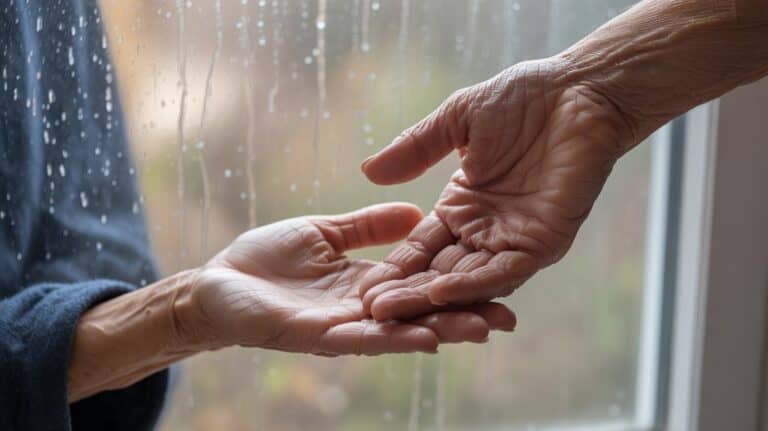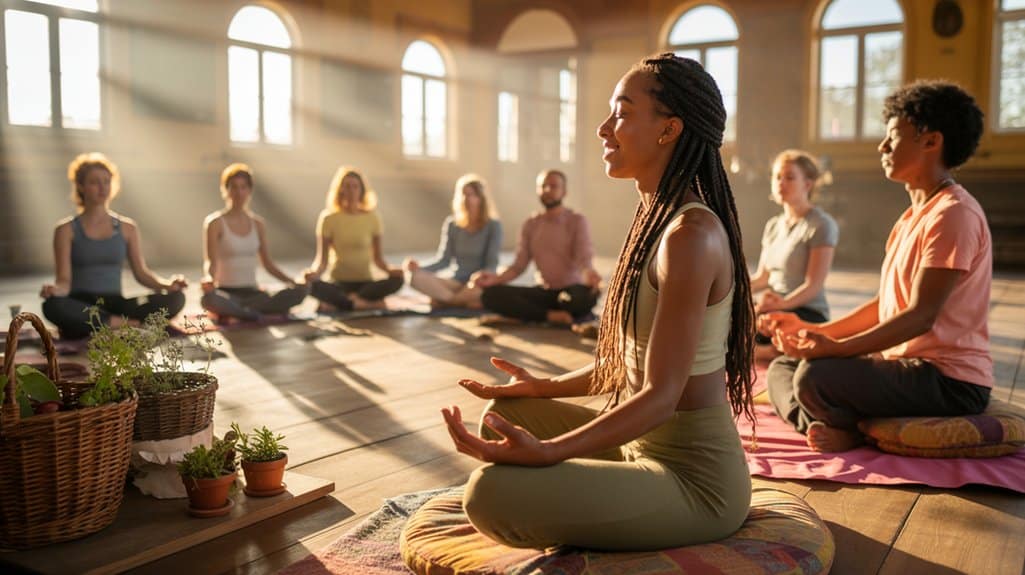
You’re part of a shift where healing happens in kitchens, parks, and story circles, not just clinics, and that’s by design — community eases loneliness, builds practical habits, and makes mental health less scary. These groups center cultural knowledge, peer support, and low-pressure routines, so folks who’ve been sidelined finally get seen and heard. It’s practical, social, and grounded in trust, and if you stick around you’ll pick up real steps to join or start one.
Key Takeaways
- Communal healing blends social connection with wellness practices to reduce loneliness and improve mental health outcomes.
- Culturally rooted, peer-led spaces increase trust, engagement, and relevance for marginalized communities.
- Group activities—shared meals, movement, and storytelling—build resilience and normalize emotional expression.
- Low-pressure, accessible programs and partnerships make support easier to find and sustain over time.
- Community-as-medicine models complement clinical care, addressing systemic barriers and fostering long-term belonging.
Why Community Is Essential to Mental Wellness
Because we weren’t meant to carry everything alone, community becomes the glue that holds mental wellness together when life gets messy. You’ll find movement, shared meals, and quiet check-ins add up, not just in calories burned or steps taken, but in how connected you feel. Joining group experiences, like those community programs that mix exercise and conversation, nudges you toward healthier habits and fewer lonely evenings. Trust grows when people show up for each other, empathy spreads, and recovery feels possible because someone else remembers the details you forgot. Mental wellness isn’t only therapy appointments and self-help books, it’s the steady hum of people who care, laugh with you, and help you practice resilience, one small shared moment at a time.
Mental Health Inequities in Marginalized Communities
While it might seem easier to treat mental health like a one-size-fits-all checklist, that approach leaves a lot of people out—especially Black, Brown, Indigenous, and low-income folks who face extra barriers to care. You probably know someone who’s struggled to find affordable, culturally aware help, and that’s not coincidence; one in five adults experiences mental illness, yet underserved communities often go without treatment. Stigma around therapy and showing emotion can keep people silent, and chronic stress from poverty, racism, and violence piles on top like bad wallpaper you can’t peel off. Trauma-informed care matters because it recognizes historical wounds, and awareness efforts help normalize seeking support. Building culturally rooted responses can close gaps, quietly inviting people back into wellness.
How Support Systems Foster Recovery and Resilience
All that talk about barriers and stigma is important, but healing rarely happens in isolation — people need other people. You don’t have to go it alone; family, friends, and local networks offer encouragement and understanding that actually lowers stress and anxiety, which helps you bounce back faster. When you join community activities or support groups, you get more than company — you get belonging, a boost to self-esteem and well-being that’s surprisingly powerful. Peer support keeps you motivated and accountable, nudging you toward help when you’d otherwise stall, and culturally rooted approaches help close gaps for marginalized folks. In short, supportive circles make recovery practical and sturdy, so you can grow resilience with others who’ve got your back.
Community Healing Practices Beyond Clinical Therapy
You’ll find that shared storytelling circles can turn awkward silences into genuine connection, where people trade experiences and leave feeling less alone. You won’t need a white coat or a clipboard for culturally rooted practices to work—faith traditions, community art projects, and local rituals can normalize seeking help and make wellness feel familiar. Think of these spaces as low-cost, high-heart complements to clinical care, mixing practical support with the comfort of people who get where you’re coming from.
Shared Storytelling Circles
Because telling your story out loud changes the shape of it, shared storytelling circles help people make sense of pain and joy together, instead of carrying both alone like a too-big suitcase. You join a circle, speak, or simply listen, and you feel seen—no judgment, just a roomful of nods and breathing. These spaces lower isolation and stigma by offering steady witness, which quietly builds empathy and connection over time. Studies show telling and hearing stories helps emotional regulation and resilience, so you leave a little less heavy and a little more steady. When communities run these gatherings, they restore dignity and remind you that your experience matters, which is oddly comforting and basically the point of belonging.
Culturally Rooted Practices
If shared storytelling circles are the living room where people swap truths and sighs, culturally rooted practices are the family recipes—passed down, tweaked, and full of flavor you can’t get from a package. You step into rituals, songs, and healing circles that already speak your language, literally or culturally, and you feel seen instead of diagnosed. These practices mix lived experience with peer-led support, so therapy feels less like a lecture and more like a shared potluck. Centers blending clinical care with traditions, like WOC-focused programs, tackle gaps in mental health by honoring identity and community history. In those safe spaces you connect, trade stories, get emotional backup, and learn that asking for help is normal, practical, and often quietly brave.
Designing Trustworthy, Culturally Rooted Support Networks
You’ll build trust by showing up consistently, listening more than you speak, and letting leaders model courage and kindness so people actually feel safe to open up. Honor cultural knowledge by weaving traditions, faith-based practices, and local wisdom into activities, not as window dressing but as core ingredients that make help-seeking feel normal and familiar. And don’t forget peer-led spaces — they’re where shared missions form, people hold each other accountable, and real connection (the kind that sticks) happens without a clipboard in sight.
Build Trust Through Presence
When people show up and actually listen, trust starts to grow—slowly, like sourdough, but less temperamental. You’ll notice belonging deepens when folks feel seen and heard, and that steady presence matters more than grand gestures. Lead with compassion and a little courage, model acceptance, set clear boundaries, and people will match your pace. Keep communication open, honest, and simple, so folks can show up without armor.
Engage in shared missions to serve others, because working together creates purpose and tightens bonds, even on rough days. You don’t have to fix everything, just stay present, validate experiences, and encourage authentic engagement, and trust will follow, built by consistent, caring actions.
Honor Cultural Knowledge
Because healing doesn’t happen in a cultural vacuum, honoring community knowledge means designing support networks that actually fit the people they’re meant to help, not the latest trends in a conference room. You’ll want to center local practices, from storytelling to communal rituals, so folks feel seen and supported, not spoon-fed a one-size-fits-all program. Invite community leaders and lived-experience experts into design, listen more than you talk, and adapt logistics to real-life needs—timing, language, meeting places. That respect builds trust, boosts accessibility, and makes care actually effective. When programs mirror shared values and histories, mental health outcomes improve, community ties strengthen, and resilience grows—plus people stick around, because belonging beats buzzwords every time.
Create Peer-Led Spaces
If you want peer-led spaces to actually work, start by treating them like a neighborhood potluck—not a corporate retreat—so people bring what’s familiar and useful, not whatever’s trendy. You design around real needs and cultural practices, listen first, and honor how people already heal. Encourage storytelling and shared activities that build connection, because lived experience validates and comforts in ways lectures can’t. Train facilitators well, give them tools to handle sensitive topics, and set clear norms so the room feels safe and predictable. Remember peer support improves mental health when members see themselves reflected, so recruit diverse facilitators and keep feedback loops open, adapting practices over time with humility and a touch of practical humor.
Examples of Community-as-Medicine Programs in Action
Though it might sound a little woo-woo, Community-as-Medicine programs actually look a lot like a neighborhood block party that also happens to improve your health: think shared cooking classes, group walks, and mindfulness sessions all led by trained coaches who keep things practical and nonjudgmental. You’ll see models like Open Source Wellness running 12-week cycles where behavioral health coaching mixes with movement, nutrition, and connection, and yes, people actually stick with it. Participants report better mental health, less loneliness, and more social support, which matters if you want company as much as change. These programs honor cultural diversity through inclusive menus and activities, they tackle systemic barriers, and they make healing social, not solo — kind of like health with a friendly crowd.
Practical Steps to Build and Strengthen Local Support Systems
When you’re trying to build local support systems, think small, practical, and a little bit social — like starting a club that actually helps people, not just collects dues. Begin by forming groups around shared experiences or interests, invite neighbors, and keep meetings low-pressure so folks feel safe and seen. Partner with community orgs to run workshops and normalize talking about mental health, you’ll get credibility and resources without doing it alone. Use culturally relevant practices to make gatherings feel familiar and respectful, especially for marginalized folks who crave belonging. Create an accessible online hub for stories and resources, so distance doesn’t block connection. Finally, push for mental health services in local centers, making support easy to find and hard to ignore.
Conclusion
You’ve seen how community can be medicine, and you don’t have to wait for a therapist’s office or a crystal ball from the Renaissance to start—neighbors, friends, and shared rituals already do a lot of the work. Lean into practical steps, honor cultural know-how, and build trust slowly, because recovery and resilience grow in the small, steady things. Keep showing up, listening, and sharing, and you’ll help make belonging part of everyday wellness.