

When you practice gratitude, your brain shifts toward calm: the prefrontal and anterior cingulate cortices help you regulate emotions, the ventral striatum gives you dopamine rewards, and the amygdala chills out so you panic less. Hormones like serotonin and oxytocin rise while cortisol falls, which steadies heart rate and stress responses. Over time those circuits strengthen and gray matter can increase, so you worry less and think clearer—keep going and you’ll uncover how to make it stick.
Key Takeaways
- Gratitude strengthens prefrontal and anterior cingulate circuits, improving emotional regulation and calmer decision-making.
- Practicing gratitude reduces amygdala reactivity, lowering panic and stress responses.
- Gratitude boosts serotonin and dopamine, creating rewarding calmness and improved mood.
- Regular gratitude lowers cortisol and stabilizes heart rate variability, physically reducing anxiety.
- Grateful social interactions increase oxytocin, enhancing trust and supportive feedback loops that promote calm.
How Gratitude Calms Your Brain : The Short Answer
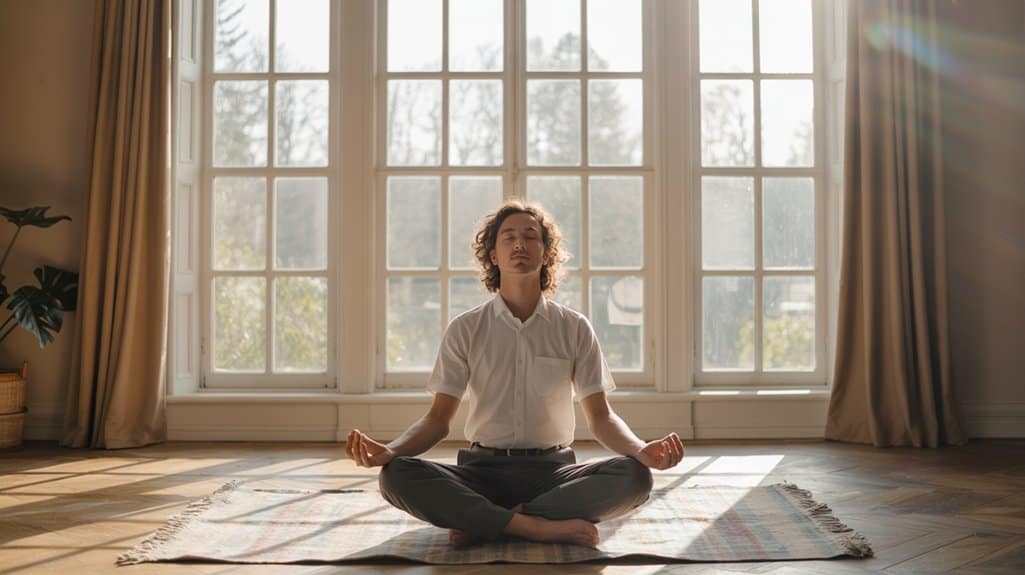
Even when your day’s been a chaotic mess, practicing gratitude quietly flips a few switches in your brain that help you chill out. You’ll notice gratitude lights up the prefrontal and anterior cingulate areas tied to emotional regulation, so decisions feel less frantic and more grounded. It also dials down the amygdala’s alarm, cutting the volume on your stress response and making calmness easier to reach. Practicing regularly nudges neurotransmitters like serotonin and dopamine upward, which boosts mood and gives you that steady, mellow baseline. Over time you build emotional resilience, coping with setbacks without spiraling, and cortisol drops, so stress doesn’t hang around like an unwanted guest. You’re not alone in feeling better.
How Gratitude Calms Your Nervous System and Stress Response

When you make gratitude a habit, it quietly rewires the parts of your nervous system that usually freak out first, so you don’t have to rely on willpower alone to stay calm. You’ll notice gratitude lights up reward circuits, nudging dopamine and making calm feel a bit more appealing than panic, which helps downshift your stress response. Over time cortisol levels drop, your heart settles, and your amygdala gets less jumpy, so emotional stability isn’t just wishful thinking. Gratitude also recruits top-down emotional regulation, giving your prefrontal cortex more say in decisions and impulses, and that builds resilience. Think of it as training your brain to favor a positive mindset, one small thankful thought at a time, with real physiological payoff.
Which Brain Regions Light Up With Gratitude : What the Evidence Shows

Although gratitude might sound like a soft skill, it lights up some pretty hardwired brain real estate: think prefrontal and anterior cingulate cortices for decision-making and emotional control, the ventral striatum for feel-good dopamine hits, and a quieter amygdala for when you’re not having an anxiety cameo. When you feel grateful, these brain regions coordinate, the prefrontal cortex helps with thoughtful responses, and the anterior cingulate smooths emotional regulation. The ventral striatum’s dopamine boost makes gratitude rewarding, so you’re more likely to repeat it, and over time you can see increased gray matter linked to sustained grateful habits. Strengthened neural pathways support emotional resilience, lowering reactivity, and helping you belong to a calmer internal community.
How Gratitude Changes Neurotransmitters to Reduce Anxiety
So, you’ve seen which brain areas light up with gratitude — now let’s look at the chemical messengers doing the heavy lifting. When you practice gratitude, neurotransmitters shift: serotonin rises, boosting mood and quieting worry, while dopamine surges from brain-stem activation, giving you that small reward buzz. Together they nudge your limbic system toward calmer patterns.
That combo lowers cortisol levels, so your stress hormone dips and anxiety responses lose some of their punch, you feel less reactive, and emotional regulation gets easier. Over time, consistent gratitude builds resilience and even links to structural changes in regions tied to control and calm. It’s like training a friendly, low-drama brain that prefers connection over chaos.
How Social and Hormonal Pathways (Oxytocin, Heart–Rate) Calm Relationships
Because gratitude isn’t just a warm fuzzy feeling, it actually sets off biological dominoes that make social life less frazzled—one key player is oxytocin, the so-called bonding hormone, which rises during grateful interactions and helps you trust and calm down. When you’re grateful, oxytocin boosts connection in relationships, lowering anxiety and nudging cortisol down, so you feel less defensive and more open. That hormonal shift often shows up in heart rate and heart rate variability, signaling a calmer physiological state, ready for give-and-take instead of fight-or-flight. Social interactions become feedback loops; gratitude invites warmth, others respond, and you build a supportive environment where calmness is the norm. It’s science-backed, and it makes belonging practically contagious.
Practical Gratitude Practices That Produce Measurable Brain Changes
If oxytocin and calmer heart rhythms are the backstage crew making relationships run smoother, gratitude practices are the rehearsed songs that train your brain to sing them on cue. You can journal nightly, write thank-you notes, or name three good things aloud, and each act nudges the brain’s reward system to release dopamine, so you actually feel rewarded for kindness and noticing beauty. Over time those simple rituals strengthen positive neural pathways, increasing gray matter in emotional processing areas and boosting emotional resilience against stress. Gratitude lowers amygdala reactivity, which helps your emotional regulation during tense moments, and supports better mental health overall. It’s communal too, so you’ll belong more, laugh more, and stress less — practice makes pleasant.
Conclusion
You’ve been told gratitude’s a warm, fuzzy thing, yet here you are calmer because your brain’s actually rewired — funny how that works. Keep noticing little good stuff, and your stress circuits quiet, oxytocin nudges social bonds, and your heart rate eases, so relationships and nerves both reap the benefits. It’s not magic, it’s neuroscience, so try the simple practices and watch your body stop sounding alarms over trivial stuff.


